A spice that was never just a spice
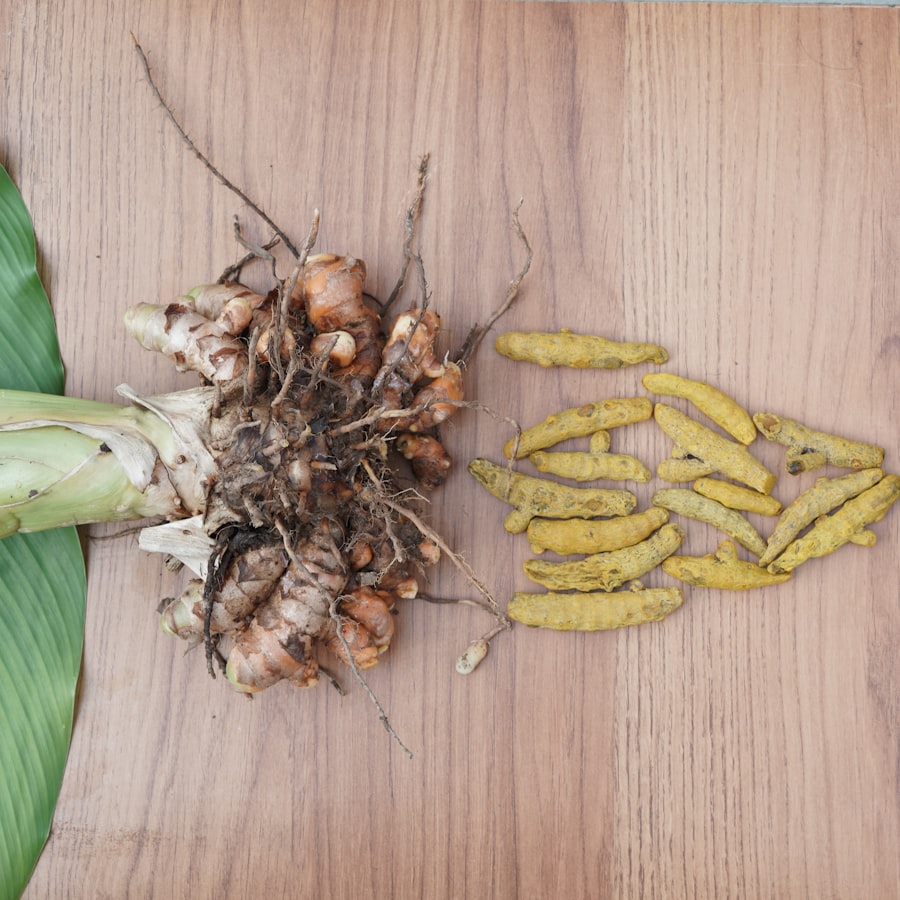
In Ayurvedic pharmacy turmeric is haridra — and it appears far more often in prescriptions than in recipes. The texts describe it as bitter and pungent to taste, heating in potency, and drying in effect. That combination makes it the classical choice for conditions of blood and skin (kushta), for swelling and congestion, and for wounds that heal slowly. Households knew this: a bruised knee, a boiling face before a wedding, a new mother’s recovery — turmeric was the first response long before the first clinic.
In the classical nomenclature turmeric is called nisha — “one that beautifies by moonlight”. Paired with Indian gooseberry (amla), the two together form the famous formula Nishamalaki, used for generations in diabetes and skin care.
Beyond the kitchen: five traditional uses
1. The daily golden milk — sleep, joints, immunity
A quarter teaspoon of turmeric simmered in milk with a pinch of black pepper remains the simplest home protocol. Take it warm, about an hour before bed. The pepper is not decoration — pungent compounds raise bioavailability several-fold, which modern research on curcumin confirmed generations after Ayurveda observed it.
2. Skin — the face and wound paste
For a dull or blotchy complexion, classical practice applies turmeric with gram flour and milk as a gentle weekly pack. For minor cuts, a clean paste of turmeric and honey — honey itself is a noted wound medium in the Sushruta texts — supports quick, clean healing. Anything deeper than a scratch belongs at a clinic, not on the kitchen table.
3. Joints — the warming oil rub
Warm sesame oil with a teaspoon of turmeric makes a traditional rub for stiff, cold-feeling joints in winter. At the hospital the same idea is refined into classical oils such as Mahanarayan Taila — prepared with dozens of herbs — but the household version follows the same principle of warmth and movement.
4. Throat and breath
Half a teaspoon of turmeric in warm water as a morning gargle is the old Pune remedy for a scratchy throat during monsoon transitions. Sitopaladi Churna with honey — a formulation in our pharmacy — carries the same logic into a full prescription for cough and cold.
5. Liver and blood — Nishamalaki and diet
For long-term metabolic support, physicians pair turmeric with amla in measured, weeks-long courses. This is decidedly not a home experiment: dose, duration and companion herbs matter, and existing medication for sugar or pressure must be reviewed by a doctor first.
How to take it so it actually works
| Goal | Traditional form | Typical use |
|---|---|---|
| Daily wellness | Golden milk with black pepper | ¼ tsp turmeric in warm milk, evenings |
| Skin glow | Gram-flour pack | Weekly; skip on broken skin |
| Minor wounds | Turmeric + honey paste | Thin layer on cleaned skin |
| Stiff joints | Warm oil rub | Massage, then warm bath |
| Cough, congestion | Sitopaladi with honey (Rx) | As your physician advises |
Who should be careful
- Pregnancy — culinary amounts are fine; concentrated doses and courses only under medical advice.
- Blood-thinning medication or an upcoming surgery — tell your doctor; turmeric has a mild anti-platelet effect.
- Gallstones and bile-duct obstruction — turmeric stimulates bile flow and can worsen symptoms.
- Very high Pitta — heat, acidity or rashes after turmeric mean the dose or form needs adjusting.
Used the way the texts intend — right form, right company (pepper, fat, milk or honey), right person — turmeric earns its title as the golden root. If a symptom keeps returning despite good home care, that is the body asking for a consultation, not a bigger spoon.