Tea is not in the texts — but the principles are
Camellia sinensis and coffee arrived in India long after the classical compendiums were written. But Ayurveda’s rules about hot, stimulating, astringent drinks are ancient, and they apply cleanly: anything hot, strong and drying provokes Vata; anything with milk and sugar in quantity provokes Kapha. The average four-chai day manages to do both — stimulating on an empty stomach at 7 am, kapha-heavy with milk and sugar by 11.
What goes wrong
- Chai before breakfast — astringent, hot stimulation on an empty stomach aggravates Vata: jitteriness, acidity by mid-morning, irregular appetite.
- Tea with or right after meals — tannins and milk interfere with digestion of the meal itself; the texts advise against cold or astringent drinks at meal time.
- Coffee as a meal substitute — burns through Vata reserves; the “energy” is borrowed against sleep quality.
The better pattern
- First thing: plain warm water — not tea. Give the body its morning cleanse before stimulation.
- After breakfast: your first chai, if you must — with food already in the stomach.
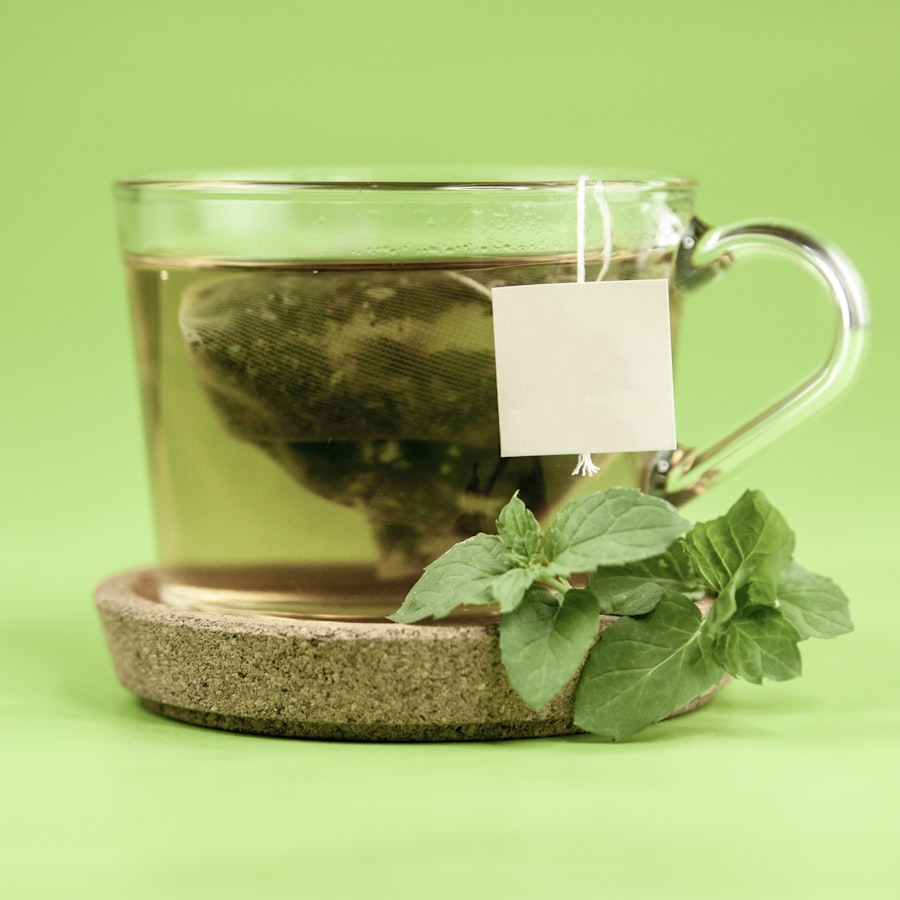
- Between meals: sip infusions, not milk chai — tulsi, ginger, fennel or coriander-seed water. Our Tulsi Green Tea blend was packed for exactly this slot.
- After 4 pm: switch to caffeine-free. Late stimulation is the most common preventable cause of disturbed sleep we see in clinic.
Rule of thumb from the OPD: if your day needs four chais, the problem is usually not caffeine — it is skipped breakfast, short sleep, or both.
For the regulars
Two honest compromises for chai lovers: take it after food, never before; and let the cup shrink — half milk, less sugar, one instead of two. Patients rarely miss what they slowly reduce; they do notice the return of steady hunger and calmer evenings.